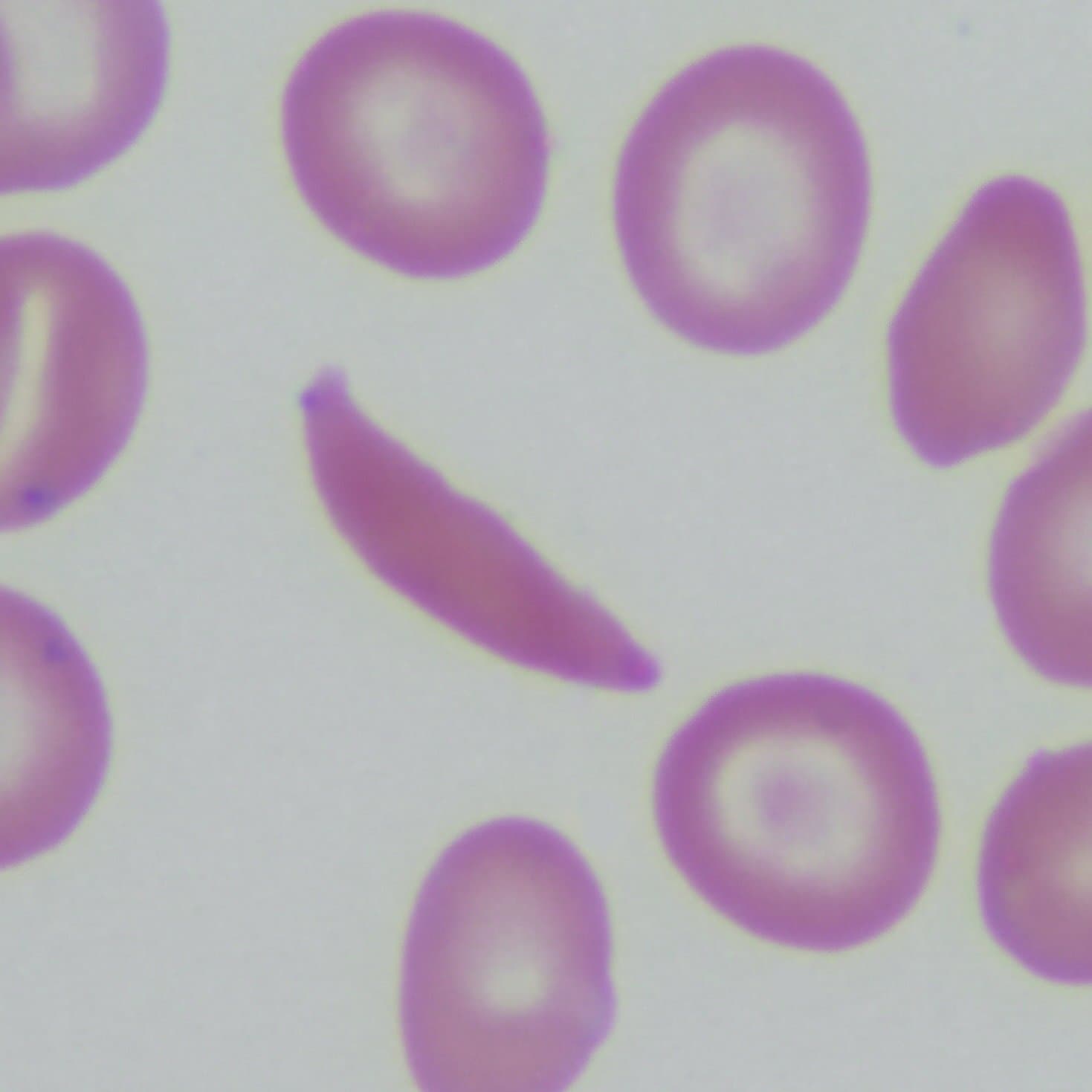
In December 2023, the FDA approved Casgevy, the world's first CRISPR-based gene therapy, for sickle cell disease. It was a landmark moment — proof that gene editing could cure a devastating inherited condition with a single treatment. The price tag: $2.2 million per patient.
That number landed like a gut punch. Not because it was unprecedented — gene therapies had already crossed the million-dollar threshold years earlier — but because sickle cell disease overwhelmingly affects Black Americans and people in sub-Saharan Africa. The very populations who carry the highest burden of disease are the ones least likely to afford the cure.
This is the central paradox of gene therapy in 2026. The science has never been more promising. The approvals keep coming. And yet, for most of the people who need these treatments, they might as well not exist. This guide examines the full picture: what gene therapies actually cost, why the prices are what they are, how the healthcare system is struggling to pay for them, and what — if anything — is being done to close the access gap.
The Price Landscape: What Gene Therapies Cost Right Now
As of April 2026, seven gene therapies carry list prices above $1 million in the United States. Several have crossed $3 million. One has broken $4 million. Here is the current landscape.
The Million-Dollar Club
| Therapy | Condition | Manufacturer | US List Price | Approval Year |
|---|---|---|---|---|
| Lenmeldy (atidarsagene autotemcel) | Metachromatic leukodystrophy (MLD) | Orchard Therapeutics | $4.25 million | 2024 |
| Hemgenix (etranacogene dezaparvovec) | Hemophilia B | CSL Behring | $3.5 million | 2022 |
| Elevidys (delandistrogene moxeparvovec) | Duchenne muscular dystrophy (DMD) | Sarepta Therapeutics | $3.2 million | 2023 |
| Lyfgenia (lovotibeglogene autotemcel) | Sickle cell disease | bluebird bio | $3.1 million | 2023 |
| Casgevy (exagamglogene autotemcel) | Sickle cell disease / beta-thalassemia | Vertex Pharmaceuticals | $2.2 million | 2023 |
| Zolgensma (onasemnogene abeparvovec) | Spinal muscular atrophy (SMA) | Novartis | $2.1 million | 2019 |
| Luxturna (voretigene neparvovec) | Inherited retinal dystrophy | Spark Therapeutics | $850,000 | 2017 |
These are list prices — the wholesale acquisition cost before rebates, discounts, or negotiated agreements. The actual amount that changes hands between payers and manufacturers is often lower, but rarely by enough to change the fundamental affordability equation.
The One That Didn't Survive
Skysona (elivaldogene autotemcel), bluebird bio's gene therapy for cerebral adrenoleukodystrophy, deserves its own mention — not for its price, but for its fate. Approved in 2022 at $3 million, Skysona was voluntarily withdrawn from the US market in 2024. bluebird bio could not sustain the commercial model. The patient population was tiny, the manufacturing was expensive, and the company was hemorrhaging cash. Skysona became the first approved gene therapy to be pulled not because it didn't work, but because the economics didn't work.
That withdrawal sent a chill through the industry. If a $3 million gene therapy for a devastating childhood disease cannot survive commercially, what does that say about the business model?
Lenmeldy: The New Record Holder
When the FDA approved Lenmeldy in March 2024 for metachromatic leukodystrophy — a rare and fatal neurological disease that strips away myelin in children — the $4.25 million price tag made it the most expensive drug ever approved anywhere in the world. MLD affects roughly 1 in 40,000 children. Without treatment, most children with the early-onset form die before age 10. Clinical trial data showed that Lenmeldy could preserve motor and cognitive function when administered before symptoms progress too far.
Orchard Therapeutics argued the price reflected the severity of the disease, the transformative nature of the treatment, and the lifetime of care costs it would replace. Critics pointed out that the price was roughly equivalent to the median value of four American homes.
Why Gene Therapies Cost Millions
The sticker shock is real, but the prices are not arbitrary. Several structural factors drive gene therapy costs into territory that no other class of medicine has ever reached.
Manufacturing Complexity
Gene therapies are not pills. You cannot stamp them out on a production line by the millions. Each treatment is a bespoke biological product that requires extraordinary manufacturing precision.
Ex vivo gene therapies like Casgevy and Lyfgenia are the most labor-intensive. The process works like this:
- Cell collection: Doctors harvest stem cells from the patient's bone marrow or blood via apheresis — a process that can take hours.
- Genetic modification: In a specialized GMP (Good Manufacturing Practice) facility, technicians use viral vectors or gene-editing tools (like CRISPR) to modify the patient's cells. This step alone can take weeks.
- Quality control: Every batch — which is a single patient's cells — must pass rigorous testing for potency, sterility, identity, and purity. If a batch fails QC, the entire process starts over.
- Cryopreservation and shipping: The modified cells are frozen and shipped back to the treatment center under strict temperature controls.
- Conditioning and infusion: Before receiving their edited cells, patients undergo myeloablative chemotherapy — a brutal process that wipes out their existing bone marrow to make room for the new cells.
Each patient's therapy is manufactured individually. There are no economies of scale. A single manufacturing failure means weeks of wasted work and hundreds of thousands of dollars in lost materials and labor. The cost of the lentiviral vectors used in bluebird bio's therapies, or the AAV vectors used in therapies like Zolgensma, runs into the hundreds of thousands per batch on its own.
In vivo gene therapies like Hemgenix and Elevidys skip the cell-harvesting step — they deliver the therapeutic gene directly into the patient's body via an AAV vector injected intravenously. This is simpler in concept but still requires massive quantities of highly purified viral vector. Producing clinical-grade AAV at scale remains one of the hardest problems in biomanufacturing.
Small Patient Populations
Most approved gene therapies target rare diseases — conditions affecting fewer than 200,000 people in the United States, and often far fewer than that. MLD affects perhaps 200 to 300 children per year in the US. Hemophilia B affects roughly 4,000 Americans. Early-onset SMA, the population Zolgensma targets, involves about 400 to 500 new diagnoses per year.
When a pharmaceutical company spends $1 billion to $3 billion developing a therapy (a common range for gene therapies, given the complexity of manufacturing, clinical trials, and regulatory requirements), and the total addressable market is measured in hundreds of patients per year, the math forces prices upward. The R&D costs must be recovered across a small denominator.
This is not unique to gene therapy — orphan drugs for rare diseases have always been expensive. But gene therapy takes the orphan drug pricing dynamic and amplifies it because manufacturing costs are also much higher per dose.
One-Time Treatment: Capturing Lifetime Value Upfront
Here is the argument that gene therapy manufacturers make, and it has genuine merit: a one-time curative therapy replaces a lifetime of chronic treatment.
Consider hemophilia B. Before Hemgenix, patients with severe hemophilia B required regular infusions of clotting factor concentrates — often weekly or biweekly — for life. The annual cost of prophylactic factor replacement therapy runs $500,000 to $800,000 per year. Over a 40-year treatment horizon, that amounts to $20 million to $32 million in total healthcare spending.
Against that baseline, $3.5 million for a one-time cure starts to look like a bargain — at least from a health-economics perspective. Hemgenix clinical data shows that most patients can stop or dramatically reduce their factor replacement therapy after treatment.
The same logic applies to sickle cell disease. The lifetime healthcare costs for a patient with severe sickle cell disease — including hospitalizations for vaso-occlusive crises, chronic pain management, blood transfusions, organ damage treatment, and lost productivity — are estimated at $1.6 million to $6 million depending on severity. A $2.2 million cure, if it truly is curative and durable over decades, could save the healthcare system money in the long run.
The problem is timing. The healthcare system is not structured to make a single $3 million payment today in exchange for savings that accrue over 30 years. Insurance plans change. Patients switch employers. Medicaid eligibility shifts. The entity paying for the gene therapy today is unlikely to be the one reaping the cost savings a decade from now.
The Value Debate
Not everyone accepts the manufacturers' value arguments at face value. The Institute for Clinical and Economic Research (ICER), which conducts independent cost-effectiveness analyses of new therapies, has repeatedly found that gene therapy list prices exceed what their models consider cost-effective.
ICER's 2023 analysis of Casgevy and Lyfgenia, for example, found that cost-effective prices would be roughly $1.35 million to $1.85 million for sickle cell gene therapies — significantly below the actual list prices. For Hemgenix, ICER estimated a value-based price range of $1.9 million to $2.5 million, well below the $3.5 million list price.
These analyses are not binding. Manufacturers set their own prices. But the gap between list prices and independent value assessments highlights a tension that is not going away.
Insurance and Payment Models: Who Pays for a $3 Million Drug?
The traditional insurance model — patient gets treated, insurer gets a bill, insurer pays — was designed for a world where the most expensive single treatment might cost $100,000. Gene therapies have broken that model. The healthcare system is improvising solutions in real time.
Private Insurance: Prior Authorization and Delays
For patients with commercial health insurance, accessing gene therapy typically begins with a prior authorization process that can stretch for months. Insurers require extensive documentation: genetic testing confirming the diagnosis, evidence that the patient meets the therapy's eligibility criteria, letters of medical necessity from specialists, and sometimes independent medical review.
Denials are common. Initial prior authorization requests for gene therapies are denied at rates estimated between 30% and 50%, according to data from patient advocacy organizations. Most denials are eventually overturned on appeal, but the appeals process adds weeks or months — time that matters critically for progressive diseases like MLD or SMA, where treatment delays can mean irreversible neurological damage.
Some large insurers have created dedicated gene therapy review teams and streamlined pathways. Others treat each case as an ad hoc exception, forcing patients and their physicians to navigate a bureaucratic maze while the clock ticks on their disease.
Outcomes-Based Agreements
One of the most innovative payment approaches involves tying payment to whether the therapy actually works. Under an outcomes-based agreement (OBA), the manufacturer agrees to refund part or all of the payment if the therapy fails to meet predefined clinical endpoints.
Novartis pioneered this approach with Zolgensma, offering outcomes-based contracts that provide rebates if patients do not achieve specific motor milestones. Bluebird bio offered similar arrangements for Lyfgenia and its other gene therapies.
The concept is appealing in theory. In practice, OBAs face significant logistical challenges:
- Defining "success": What counts as a successful outcome? For SMA, is it the ability to sit unassisted? Walk? Breathe without a ventilator? Different endpoints produce different results.
- Time horizon: Some outcomes take years to measure. Gene therapy durability remains an open question — what if the therapy works for five years and then fades?
- Administrative burden: Tracking outcomes across multiple payers, hospitals, and years requires data infrastructure that most healthcare systems lack.
- Confidentiality: Both manufacturers and payers typically insist on keeping OBA terms confidential, making it impossible for researchers or policymakers to evaluate whether these agreements are actually working.
Despite these challenges, outcomes-based agreements are becoming more common. By 2026, most newly approved gene therapies include at least some form of outcomes-linked pricing as part of their commercial strategy.
Installment and Annuity Models
Rather than paying $3 million upfront, some payers are exploring installment payment models that spread the cost over multiple years — essentially financing the gene therapy the way you might finance a house.
The concept is sometimes called the "mortgage model" or "annuity model." A payer might pay $500,000 per year for six years instead of $3 million at once. This smooths the budget impact and aligns the payment timeline more closely with the period over which benefits accrue.
The challenge is portability. If a patient switches insurance plans mid-payment, who takes over the remaining installments? The previous insurer has already paid for part of a therapy whose benefits are now accruing to a different payer's member. This creates a free rider problem that has no clean solution under the current fragmented insurance system.
Several legislative proposals and industry working groups have attempted to address this. The concept of a gene therapy financing entity — a centralized intermediary that would manage installment payments across payers — has been proposed but not yet implemented at scale.
CMS and the Cell and Gene Therapy Access Model
The Centers for Medicare & Medicaid Services (CMS) — the federal agency that administers Medicare, Medicaid, and the Children's Health Insurance Program — has taken increasingly active steps to address gene therapy access and affordability.
In January 2025, CMS launched the Cell and Gene Therapy (CGT) Access Model, initially focused on sickle cell disease gene therapies. Under this voluntary model, CMS negotiates outcomes-based agreements directly with gene therapy manufacturers on behalf of participating state Medicaid programs. The model includes:
- Negotiated pricing: CMS uses its collective bargaining power across multiple state Medicaid programs to negotiate lower prices than any individual state could achieve.
- Outcomes-based rebates: Manufacturers provide rebates if patients do not meet clinical milestones at defined timepoints.
- Streamlined access: Participating states agree to cover the therapies for eligible Medicaid beneficiaries without imposing additional utilization management barriers.
As of early 2026, more than 30 states have expressed interest in the CGT Access Model. If successful, this approach could serve as a template for future gene therapy payment negotiations — and could influence the Inflation Reduction Act's drug price negotiation provisions as gene therapies become eligible.
Medicaid: The State Budget Crisis
Medicaid covers a disproportionate share of gene therapy-eligible patients, particularly for sickle cell disease. An estimated 50% to 60% of sickle cell patients in the US are covered by Medicaid. For pediatric gene therapies like Zolgensma and Lenmeldy, the Medicaid share is even higher.
This creates an acute problem for state budgets. Medicaid is jointly funded by the federal government and individual states, with states responsible for their share of drug costs. A single Lenmeldy patient could consume a significant fraction of a small state's entire specialty drug budget for the year.
Some states have explored supplemental rebate agreements and risk pools to manage gene therapy costs. Others have been slower to cover gene therapies, creating geographic disparities in access that can feel arbitrary and unjust. A child born with MLD in one state may have access to a $4.25 million cure. A child born with the same disease in a neighboring state may not.
The Access Crisis: Who Gets Left Behind
The cost problem is bad. The access problem is worse. Even if money were no object, structural barriers would still prevent most eligible patients from receiving gene therapy in 2026.
Global Inequity: The Sharpest Edge
Sickle cell disease provides the starkest illustration of the global access crisis. Approximately 300,000 babies are born with sickle cell disease every year worldwide, the vast majority in sub-Saharan Africa and South Asia. Nigeria alone accounts for roughly 150,000 sickle cell births annually — more than the entire population of sickle cell patients in the United States.
Casgevy and Lyfgenia are approved in the United States and (Casgevy only) in the European Union, the United Kingdom, Bahrain, and Saudi Arabia. They are not approved, available, or remotely affordable in Nigeria, the Democratic Republic of the Congo, India, or any of the other countries where sickle cell disease exacts its heaviest toll.
The reasons are layered:
- Regulatory infrastructure: Many high-burden countries lack the regulatory frameworks to evaluate and approve gene therapies.
- Manufacturing and supply chain: Ex vivo gene therapies require specialized facilities that do not exist in most of Africa or South Asia.
- Healthcare infrastructure: Myeloablative conditioning, post-transplant monitoring, and long-term follow-up require sophisticated hospital systems.
- Price: Even if all other barriers were removed, $2.2 million per patient is unfathomable in countries where per-capita healthcare spending is under $50 per year.
This is not a problem that market forces will solve. No pharmaceutical company will build a $2 million gene therapy business model around patients in countries with GDP per capita under $2,000. Without deliberate intervention — from governments, international organizations, and philanthropies — the gene therapy revolution will remain a rich-country phenomenon.
Treatment Centers: A Bottleneck Within Rich Countries
Even in the United States, access to gene therapy is severely limited by the number of qualified treatment centers (QTCs). Gene therapies require specialized infrastructure: apheresis equipment, cell-processing laboratories (for ex vivo therapies), transplant units, intensive care capabilities, and teams trained in the specific protocols for each therapy.
As of early 2026, approximately 50 to 70 centers across the US are certified to administer sickle cell gene therapies. For rarer conditions, the number is even smaller. These centers are concentrated in major metropolitan areas — Boston, Houston, Philadelphia, Atlanta, Los Angeles, and a handful of others.
For patients in rural areas, small cities, or states without a QTC, accessing gene therapy means traveling hundreds or even thousands of miles, finding temporary housing for weeks or months (the conditioning, infusion, and recovery process can take 3 to 6 months from start to finish), and coordinating follow-up care with local physicians who may have little experience managing post-gene-therapy patients.
This geographic barrier falls hardest on the patients who can least afford it — lower-income families, patients on Medicaid, and patients in communities that already face health disparities.
The Timeline: Months from Decision to Treatment
Receiving a gene therapy is not like picking up a prescription. The process from initial evaluation to infusion typically takes 4 to 8 months and involves:
- Referral and evaluation (weeks to months): The patient must be referred to a QTC, undergo genetic testing to confirm eligibility, and complete a comprehensive medical evaluation.
- Insurance authorization (weeks to months): Prior authorization, potential denial, appeals, and re-authorization.
- Cell collection (for ex vivo therapies): Apheresis to harvest the patient's stem cells.
- Manufacturing (4 to 8 weeks): The patient's cells are shipped to a manufacturing facility, modified, tested, and shipped back.
- Conditioning chemotherapy (1 to 2 weeks): The patient undergoes myeloablative chemotherapy to destroy their existing bone marrow.
- Infusion and recovery (weeks to months): The edited cells are infused, and the patient is monitored in the hospital for engraftment and complications.
During this entire process, the patient's disease continues to progress. For conditions like MLD and SMA, where early treatment is critical, delays measured in months can mean the difference between a good outcome and a devastating one.
What Is Being Done: Efforts to Bend the Cost Curve
The gene therapy field is acutely aware that the current pricing and access model is unsustainable. Multiple approaches are being pursued simultaneously.
In Vivo Therapies: Cutting Out the Cell Processing
One of the most promising paths to lower costs is the shift from ex vivo to in vivo gene therapy. Instead of removing a patient's cells, editing them in a laboratory, and transplanting them back — a process that is inherently expensive and labor-intensive — in vivo approaches deliver the therapeutic gene or editing tool directly into the patient's body.
Hemgenix and Elevidys already use this approach, delivering AAV vectors intravenously to target the liver and muscle, respectively. But the next generation of in vivo therapies aims to go further — using lipid nanoparticles (LNPs), the same delivery technology behind mRNA COVID vaccines, to deliver CRISPR components directly to target tissues.
Verve Therapeutics' VERVE-102, a base-editing therapy for heart disease delivered via LNP, represents this new model. LNPs are dramatically cheaper to manufacture than AAV vectors. They do not trigger pre-existing immune responses. And the manufacturing process leverages existing infrastructure built out during the pandemic for mRNA vaccine production.
If LNP-delivered gene therapies prove safe and effective at scale, the cost of gene therapy could drop by an order of magnitude — from millions to hundreds of thousands, or potentially even less.
The Netflix Model: Subscription-Based Access
Several states and payers have experimented with subscription or "Netflix" models for expensive therapies. Under this approach, a state or payer pays a flat annual fee to a manufacturer in exchange for unlimited access to a therapy for all eligible patients.
Louisiana pioneered this approach in 2019 with hepatitis C drugs, negotiating a flat-fee agreement with Aspen Biosciences (now ClearPoint Health) that allowed the state to treat all Medicaid-eligible hepatitis C patients for a fixed annual payment. The model was widely considered a success.
Applying the Netflix model to gene therapies is more complex because the patient populations are smaller and the per-patient costs are higher. But the principle is the same: shift from per-treatment pricing to population-based pricing, removing the financial incentive to restrict access.
CMS's Cell and Gene Therapy Access Model borrows elements of this approach, and several policy proposals in Congress have explored creating a federal gene therapy subscription program.
Cost-Effectiveness Bodies: NICE and ICER
Health technology assessment bodies play a critical role in setting expectations for gene therapy pricing — even when their recommendations are not binding.
NICE (National Institute for Health and Care Excellence) in the United Kingdom evaluates new therapies against a cost-per-QALY threshold (quality-adjusted life year). NICE has approved several gene therapies but typically at negotiated prices well below US list prices. The UK's Innovative Medicines Fund provides a pathway for conditional approval while longer-term data is gathered.
ICER in the United States publishes independent cost-effectiveness analyses that inform (but do not determine) payer negotiations. ICER's analyses consistently find that gene therapy list prices exceed value-based benchmarks, creating pressure for manufacturers to offer meaningful discounts or outcomes-based arrangements.
Patient Advocacy and Expanded Access
Patient advocacy organizations have become essential navigators of the gene therapy access landscape. Groups like the Sickle Cell Disease Association of America, the National Organization for Rare Disorders (NORD), the Parent Project Muscular Dystrophy, and condition-specific foundations help patients:
- Identify qualified treatment centers
- Navigate insurance prior authorization and appeals
- Access manufacturer-sponsored patient assistance programs
- Connect with clinical trials that may offer access to investigational therapies
- Advocate for policy changes at the state and federal level
Many gene therapy manufacturers also operate patient assistance programs that cover out-of-pocket costs for commercially insured patients and, in some cases, provide therapy at no cost to uninsured patients. However, these programs are not substitutes for systemic solutions — they are band-aids on a structural problem.
The Future: Will Gene Therapy Ever Be Affordable?
The honest answer is: it depends on what you mean by "affordable," and for whom.
Technology Trends That Could Lower Costs
Several technological developments point toward lower manufacturing costs over the next five to ten years:
- LNP delivery: As noted above, lipid nanoparticle delivery could dramatically reduce manufacturing costs compared to viral vectors. The infrastructure already exists at scale thanks to mRNA vaccine manufacturing.
- Non-viral delivery: Companies like Intellia Therapeutics and Beam Therapeutics are developing non-viral delivery approaches that could further reduce costs.
- Platform standardization: As more gene therapies are developed, manufacturing platforms are becoming more standardized. Shared manufacturing facilities and contract development and manufacturing organizations (CDMOs) are increasing capacity and driving down per-batch costs.
- RNA-based therapies as alternatives: RNA interference (RNAi) drugs like Alnylam's portfolio and antisense oligonucleotides (ASOs) from Ionis Pharmaceuticals offer genetic medicine approaches that are redosable and manufactured using chemical synthesis rather than biological production. While not "gene therapy" in the traditional sense, these approaches can address some of the same conditions at a fraction of the cost — though they require ongoing administration rather than a single cure.
Policy Levers
Government action could significantly alter the cost and access landscape:
- The Inflation Reduction Act (IRA): The IRA's drug price negotiation provisions currently apply to Medicare Part D and Part B drugs. As gene therapies become eligible for negotiation (based on time since approval and sales thresholds), CMS could use this authority to set lower prices for Medicare patients.
- International reference pricing: Several legislative proposals would tie US drug prices to prices in other developed countries, where gene therapies are typically negotiated at 30% to 60% below US list prices.
- Compulsory licensing: In extreme cases, governments can invoke compulsory licensing provisions to allow generic or biosimilar production of patented therapies. This has been used for HIV drugs in developing countries and could theoretically apply to gene therapies — though the manufacturing complexity makes generic production far harder.
- Government-funded manufacturing: Proposals for publicly funded gene therapy manufacturing facilities — modeled on the Biomedical Advanced Research and Development Authority (BARDA) — could create an alternative supply chain for therapies targeting public health priorities.
The Equity Question
Technology and policy may bring gene therapy costs down from $4 million to $400,000 — or even $40,000 — over the next decade. But the equity question will persist. The countries with the highest burden of genetic diseases are the countries with the least capacity to deliver gene therapies, regardless of price.
Solving this will require more than cost reduction. It will require technology transfer, investment in healthcare infrastructure in low- and middle-income countries, novel regulatory pathways, and a fundamental rethinking of who the gene therapy revolution is for.
The science of gene therapy is a triumph of human ingenuity. The economics of gene therapy is a mirror reflecting everything that is broken about how we distribute medical innovation. Both things are true at once, and the gap between them is where the hard work of the next decade lies.
Frequently Asked Questions
Why are gene therapies so expensive?
Gene therapies are expensive due to three compounding factors: manufacturing complexity (each patient's therapy is produced individually with no economies of scale), small patient populations (R&D costs of $1-3 billion must be recovered across hundreds of patients per year), and the one-time curative model that attempts to capture a lifetime of therapeutic value in a single upfront payment. The cost of viral vectors alone — such as lentiviral or AAV vectors — runs into the hundreds of thousands of dollars per batch.
Does insurance cover gene therapy?
Most U.S. commercial insurers and state Medicaid programs have established coverage pathways for approved gene therapies, though the prior authorization process can stretch for months. Initial prior authorization requests are denied at rates estimated between 30% and 50%, with most denials eventually overturned on appeal. CMS launched the Cell and Gene Therapy Access Model in January 2025, which negotiates outcomes-based agreements on behalf of participating state Medicaid programs to streamline access.
What is the most expensive gene therapy?
As of April 2026, Lenmeldy (atidarsagene autotemcel) for metachromatic leukodystrophy holds the record at $4.25 million per treatment, approved in March 2024 by Orchard Therapeutics. Hemgenix for hemophilia B is second at $3.5 million, followed by Elevidys for Duchenne muscular dystrophy at $3.2 million. For comparison, Skysona, a $3 million gene therapy approved in 2022, was voluntarily withdrawn from the market in 2024 because the commercial model was unsustainable.
Will gene therapy costs come down?
Several technological trends point toward lower costs over the next 5-10 years, including lipid nanoparticle (LNP) delivery that is dramatically cheaper than viral vectors, non-viral delivery approaches, and platform standardization across shared manufacturing facilities. Policy levers such as the Inflation Reduction Act's drug price negotiation provisions, international reference pricing proposals, and CMS's Cell and Gene Therapy Access Model could further drive prices down. If LNP-delivered gene therapies prove effective at scale, costs could drop by an order of magnitude — from millions to hundreds of thousands or less.
How do I find out if I'm eligible for gene therapy?
Start by consulting a specialist familiar with your condition and requesting genetic testing to confirm your diagnosis, as gene therapies target specific genetic mutations. Patient advocacy organizations like the Sickle Cell Disease Association of America, the National Organization for Rare Disorders (NORD), and condition-specific foundations can help identify qualified treatment centers, navigate insurance prior authorization, and connect you with clinical trials. The evaluation-to-infusion process typically takes 4 to 8 months, involving referral, insurance authorization, cell collection, manufacturing, conditioning, and infusion.
Sources & Further Reading
- Garrison, L.P., et al. "Toward a Value-Based Price for Cell and Gene Therapies." Value in Health, 2023.
- Institute for Clinical and Economic Research (ICER). "Sickle Cell Disease: Final Evidence Report." ICER, 2023. https://icer.org/assessment/sickle-cell-disease-2023/
- Centers for Medicare & Medicaid Services. "Cell and Gene Therapy Access Model." CMS Innovation Center, 2025. https://innovation.cms.gov/innovation-models/cgt
- Pear, R. and Kolata, G. "Gene Therapy's Promise and Price." The New York Times, 2024.
- Orchard Therapeutics. "Lenmeldy (atidarsagene autotemcel) Prescribing Information." FDA, 2024.
- CSL Behring. "Hemgenix (etranacogene dezaparvovec) Prescribing Information." FDA, 2022.
- Vertex Pharmaceuticals. "Casgevy (exagamglogene autotemcel) Prescribing Information." FDA, 2023.
- Novartis Gene Therapies. "Zolgensma (onasemnogene abeparvovec) Prescribing Information." FDA, 2019.
- National Organization for Rare Disorders (NORD). "Gene Therapy Access and Affordability." NORD Policy Brief, 2025.
- Piel, F.B., et al. "Global Burden of Sickle Cell Anaemia." The Lancet, 2017.
- Morrow, T. "Gene Therapy Payment Models: The State of Play." Managed Care, 2025.
- American Society of Gene & Cell Therapy (ASGCT). "Gene Therapy Landscape Report." ASGCT, 2025.
- Sickle Cell Disease Association of America. "Access to Gene Therapy for Sickle Cell Disease." SCDAA Position Paper, 2025.
- Quinn, C., et al. "Lifetime Medical Costs of Sickle Cell Disease." Blood, 2023.