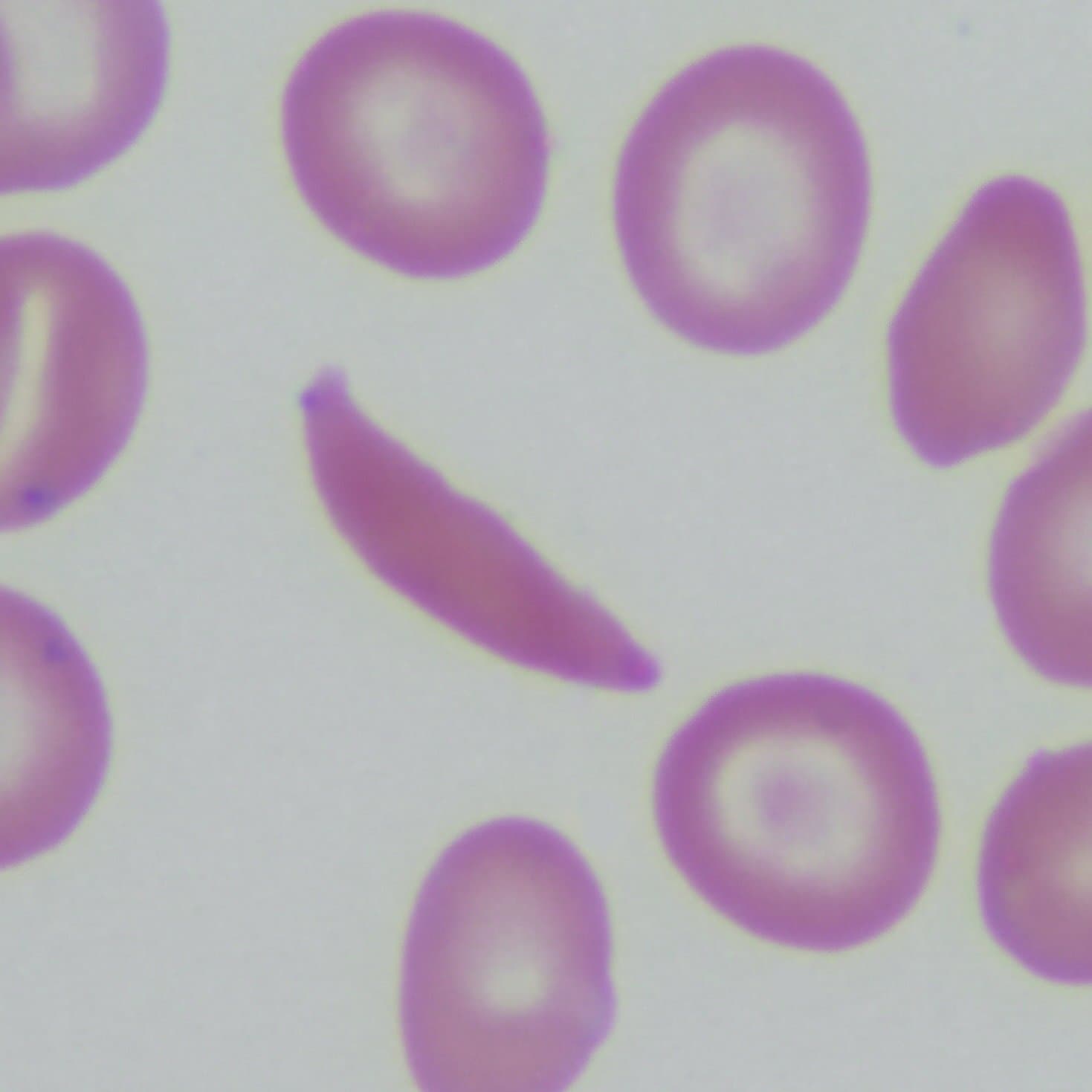
A child born with sickle cell disease today faces a difficult road. By age five, many have already experienced their first pain crisis. By ten, some show early signs of organ damage that will follow them for life. The disease does not wait for patients to grow up before it starts causing harm.
That is why the push to bring Casgevy (exagamglogene autotemcel, or "exa-cel") to younger children represents one of the most meaningful developments in gene therapy in 2026. Vertex Pharmaceuticals and CRISPR Therapeutics submitted a supplemental Biologics License Application (sBLA) to the FDA in the first half of 2026, seeking to expand Casgevy's approval from patients aged 12 and older down to children as young as five.
If approved, this would mark the first time a CRISPR-based gene editing therapy becomes available for elementary school-age children — a population that stands to benefit the most from early intervention.
What Is Casgevy and Why Does It Matter?
Casgevy made history in December 2023 when the FDA approved it as the first CRISPR-Cas9 gene editing therapy ever authorized for clinical use. The approval covered two conditions: sickle cell disease (SCD) in patients aged 12 and older who experience recurrent vaso-occlusive crises (VOCs), and transfusion-dependent beta-thalassemia (TDT) in patients 12 and older.
The approval represented a watershed moment for the entire field of gene editing. CRISPR-Cas9 technology, which earned Jennifer Doudna and Emmanuelle Charpentier the 2020 Nobel Prize in Chemistry, had moved from laboratory discovery to approved medicine in just over a decade.
Casgevy is a product of Vertex Pharmaceuticals and CRISPR Therapeutics, developed through a collaboration that began in 2015. The UK's Medicines and Healthcare products Regulatory Agency (MHRA) actually approved Casgevy slightly before the FDA, making it the world's first authorized CRISPR therapy in November 2023. The European Medicines Agency (EMA) followed with its own approval in early 2024.
How Casgevy Works: A CRISPR Refresher
Understanding why Casgevy works requires a brief look at the biology of sickle cell disease and an elegant genetic workaround.
The Problem: Defective Hemoglobin
Sickle cell disease is caused by a single-letter mutation in the HBB gene, which encodes the beta-globin subunit of adult hemoglobin (HbA). This mutation causes hemoglobin molecules to polymerize under low-oxygen conditions, forcing red blood cells into a rigid, sickle-shaped form. These sickled cells block small blood vessels, causing the excruciating pain episodes known as vaso-occlusive crises, along with progressive damage to the spleen, kidneys, lungs, brain, and other organs.
The Workaround: Reactivating Fetal Hemoglobin
Rather than correcting the HBB mutation directly, Casgevy takes an indirect approach. During fetal development, humans produce a different form of hemoglobin called fetal hemoglobin (HbF). HbF does not sickle. After birth, a gene called BCL11A acts as a molecular switch that silences HbF production and turns on adult hemoglobin instead.
Casgevy uses CRISPR-Cas9 to disrupt the erythroid-specific enhancer of BCL11A in a patient's own blood stem cells. With BCL11A suppressed in red blood cell precursors, the cells reactivate HbF production. The result: red blood cells filled with fetal hemoglobin that resists sickling.
The Process: Ex Vivo Gene Editing
Casgevy is an ex vivo therapy, meaning the editing happens outside the patient's body:
- Stem cell collection: Doctors harvest hematopoietic stem cells (HSCs) from the patient's blood through a process called apheresis, often after mobilization with plerixafor.
- CRISPR editing: In a manufacturing facility, the collected HSCs are edited using CRISPR-Cas9 to disrupt the BCL11A enhancer.
- Myeloablative conditioning: The patient undergoes high-dose busulfan chemotherapy to destroy the existing bone marrow, making room for the edited cells.
- Reinfusion: The edited stem cells are infused back into the patient, where they engraft in the bone marrow and begin producing red blood cells with high levels of HbF.
In the pivotal CLIMB SCD-121 trial for patients aged 12 and older, the results were striking: 97% of evaluable patients were free of vaso-occlusive crises for at least 12 consecutive months after treatment. Patients achieved mean HbF levels above 40% of total hemoglobin — well above the roughly 20% threshold considered protective against sickling.
Why Children Need Casgevy Now
The case for treating younger children is not simply about expanding a market. It is a medical imperative rooted in the biology of sickle cell disease.
Organ Damage Starts Early
SCD begins causing measurable harm in the first years of life. By age two, many children with SCD have already experienced splenic sequestration crises — a potentially life-threatening emergency where sickled cells clog the spleen. Functional asplenia (loss of spleen function) develops in most children with HbSS disease by age five, leaving them vulnerable to severe bacterial infections.
Stroke is another devastating early complication. Without screening and preventive transfusions, approximately 11% of children with SCD will have a stroke by age 20. Silent cerebral infarcts — small strokes that cause no obvious symptoms but damage brain tissue — affect roughly 39% of children with SCD by age 18.
Kidney damage, chronic pain, pulmonary complications, and avascular necrosis of the hip joints all accumulate throughout childhood and adolescence. Each year without treatment adds to the burden of irreversible organ injury.
The Logic of Early Intervention
The fundamental argument for pediatric Casgevy is straightforward: the earlier you restore normal hemoglobin function, the more organ damage you prevent. A child treated at age six has potentially 60 or more years of protected health ahead, compared to a teenager treated at 14 who may already have a decade of cumulative vascular injury.
This mirrors the experience with bone marrow transplantation for SCD, where outcomes are consistently better in younger patients. Children under 12 who receive matched-sibling bone marrow transplants achieve cure rates above 90%, with lower rates of graft-versus-host disease and transplant-related complications compared to adolescents and adults.
Clinical Data in Younger Patients: The CLIMB PEDI-121 Trial
Vertex and CRISPR Therapeutics have been evaluating Casgevy in younger patients through the CLIMB PEDI-121 trial, a Phase 3 study enrolling children aged 2 to 11 with severe SCD or TDT.
Key Findings
Early data from the pediatric trial have been encouraging:
- Fetal hemoglobin levels: Children in the trial achieved HbF levels comparable to those seen in adolescent and adult patients, with mean total hemoglobin levels normalizing within the first few months after infusion.
- Engraftment: Edited stem cells successfully engrafted in the bone marrow of pediatric patients, with evidence of sustained multilineage hematopoiesis.
- VOC resolution: Treated children experienced a dramatic reduction in vaso-occlusive crises following engraftment, consistent with the near-elimination of VOCs observed in the older patient population.
- Safety profile: The safety profile in children was generally consistent with what was expected from myeloablative busulfan conditioning, with no new or unexpected safety signals specific to the CRISPR editing component.
The sBLA submitted in 2026 focuses on the 5-to-11 age group, with data from the youngest patients (ages 2-4) potentially supporting a future further expansion. The FDA has granted the application Priority Review, recognizing the serious and life-threatening nature of SCD in children.
Challenges Specific to Pediatric Patients
Bringing a therapy as intensive as Casgevy to younger children introduces several challenges that clinicians, families, and regulators must navigate carefully.
Myeloablative Conditioning in Small Bodies
The busulfan conditioning regimen required before Casgevy infusion is one of the most significant concerns. Busulfan is a potent alkylating agent that destroys bone marrow, and its toxicity profile in children includes hepatic veno-occlusive disease (VOD), mucositis, infections during the neutropenic period, and potential long-term effects on growth and development.
Pharmacokinetic dosing in children requires careful adjustment because busulfan metabolism varies significantly with age and body weight. Therapeutic drug monitoring is essential to maintain busulfan exposure within the target range — high enough to ensure complete myeloablation but low enough to minimize organ toxicity.
Fertility Preservation
Busulfan is known to cause gonadal toxicity, which can lead to permanent infertility. For adolescents aged 12 and older, sperm banking and oocyte cryopreservation are established options. For children aged 5 to 11, fertility preservation becomes considerably more complex.
Prepubertal boys cannot produce sperm, and prepubertal girls cannot undergo standard egg retrieval. Experimental approaches such as ovarian tissue cryopreservation and testicular tissue cryopreservation are available at some specialized centers, but these remain investigational. Families must weigh the potential for permanent infertility against the benefits of early treatment — a deeply personal and often agonizing decision.
Smaller Stem Cell Numbers
Younger children have smaller blood volumes and yield fewer hematopoietic stem cells during apheresis. This can complicate the manufacturing process, as sufficient cell numbers are needed for both the CRISPR editing procedure and successful engraftment. Multiple collection cycles may be required, adding to the burden on the child and family.
Long-Term Monitoring
Because Casgevy permanently alters the patient's genome, long-term follow-up is critical — and even more so in children who will live with those edits for many decades. The FDA requires 15 years of follow-up for all gene therapy recipients. For a child treated at age five, that means monitoring until at least age 20, with the broader scientific community watching for any late-emerging effects well beyond that window.
Key areas of long-term surveillance include monitoring for any off-target editing effects, assessing the durability of HbF production over decades, and tracking growth, development, and fertility outcomes.
Access and Cost: The $2.2 Million Question
Casgevy carries a list price of approximately $2.2 million per treatment — making it one of the most expensive therapies ever approved. For pediatric expansion, the cost equation becomes even more significant because more patients become eligible and the lifetime value of the treatment (measured in quality-adjusted life years gained) is theoretically greater in younger patients.
Insurance and Coverage
Most U.S. commercial insurers and state Medicaid programs have established coverage pathways for Casgevy, though the prior authorization process can be lengthy and complex. Approximately half of all SCD patients in the United States are covered by Medicaid, which creates particular challenges given the program's state-by-state variability in coverage policies and reimbursement rates.
Vertex has implemented an outcomes-based pricing model that ties a portion of the payment to whether patients achieve and maintain freedom from vaso-occlusive crises. If the treatment fails to deliver the expected results, Vertex provides financial adjustments. This approach helps payers manage the risk of such a large upfront investment, though the specifics of these agreements vary by payer.
The Value Argument
Health economists have noted that a one-time curative treatment for SCD, even at $2.2 million, may actually save money over a patient's lifetime compared to decades of chronic disease management. The annual cost of care for a severe SCD patient can range from $30,000 to over $100,000 per year, not counting lost productivity, emergency department visits, and hospitalizations. For a child treated at age five with an expected lifespan of 50-60 additional years, the cumulative cost of conventional management could far exceed the one-time gene therapy price.
Competitive Landscape: Casgevy vs. Lyfgenia
Casgevy is not the only gene therapy approved for sickle cell disease. Lyfgenia (lovotibeglogene autotemcel), developed by bluebird bio, received FDA approval on the same day as Casgevy in December 2023, also for patients aged 12 and older with SCD.
How They Differ
| Feature | Casgevy | Lyfgenia |
|---|---|---|
| Mechanism | CRISPR-Cas9 gene editing (disrupts BCL11A) | Lentiviral gene addition (adds anti-sickling beta-globin gene) |
| Approach | Reactivates fetal hemoglobin | Adds a modified adult hemoglobin (HbA^T87Q) |
| Integration | No viral vector integration | Lentiviral vector integrates into genome |
| Price | ~$2.2 million | ~$3.1 million |
| Safety signal | No insertional oncogenesis concern | FDA black box warning for hematologic malignancy risk |
The black box warning on Lyfgenia is noteworthy. Cases of myelodysplastic syndrome (MDS) and acute myeloid leukemia (AML) have been reported in patients treated with lentiviral gene therapy for SCD, raising concerns about insertional oncogenesis — a risk that arises when a viral vector integrates near cancer-related genes. Casgevy, which uses CRISPR editing rather than viral vector integration, does not carry this particular risk.
As of early 2026, bluebird bio has also signaled interest in pursuing pediatric indications for Lyfgenia, though no formal pediatric submission has been announced. Casgevy's earlier pediatric filing gives Vertex a potential first-mover advantage in the under-12 population.
Global Access: The Biggest Challenge of All
While the regulatory and cost discussions in the United States and Europe are complex, they pale in comparison to the global access challenge.
Where SCD Burden Is Highest
Sickle cell disease disproportionately affects people of sub-Saharan African descent. An estimated 300,000 to 400,000 babies are born with SCD each year worldwide, with the vast majority in Africa and South Asia. Nigeria and the Democratic Republic of Congo alone account for more than half of global SCD births.
In many of these countries, childhood mortality from SCD remains devastatingly high. An estimated 50-90% of children born with SCD in sub-Saharan Africa die before age five, primarily due to lack of newborn screening, prophylactic penicillin, and basic supportive care — let alone access to advanced gene therapies.
The Infrastructure Gap
Casgevy requires specialized treatment centers with capabilities for stem cell apheresis, cryopreservation, myeloablative conditioning, and post-transplant intensive care. These facilities exist in a handful of academic medical centers in the United States, Europe, and a few other high-income countries. They are virtually nonexistent in the regions where SCD is most prevalent.
Delivering a $2.2 million therapy that requires months of specialized medical care to populations in resource-limited settings is not feasible with current infrastructure and pricing models. Bridging this gap will require fundamentally different approaches — potentially including in vivo gene editing technologies that could deliver CRISPR components directly into the body without the need for stem cell collection, conditioning chemotherapy, or specialized manufacturing facilities.
Steps Toward Broader Access
Several initiatives are working to address this disparity. The Bill & Melinda Gates Foundation, the National Institutes of Health, and organizations like the American Society of Hematology have funded research into lower-cost gene therapy approaches for hemoglobin disorders. Academic groups are developing in vivo editing strategies that could be delivered by injection, potentially reducing cost and complexity by orders of magnitude.
The EMA's approval of Casgevy has also opened discussions with regulatory agencies in middle-income countries about potential access pathways, though timelines remain uncertain.
Frequently Asked Questions
How much does Casgevy cost?
Casgevy carries a list price of approximately $2.2 million per treatment, making it one of the most expensive therapies ever approved. Vertex has implemented an outcomes-based pricing model that ties a portion of the payment to whether patients achieve and maintain freedom from vaso-occlusive crises, with financial adjustments if results fall short.
What age can children receive Casgevy?
Casgevy is currently FDA-approved for patients aged 12 and older with sickle cell disease who experience recurrent vaso-occlusive crises. Vertex Pharmaceuticals submitted a supplemental Biologics License Application in the first half of 2026 to expand approval down to children as young as five, with a decision expected in late 2026 or early 2027. Data from the youngest patients (ages 2-4) in the CLIMB PEDI-121 trial may support a future further expansion.
How does Casgevy cure sickle cell disease?
Casgevy uses CRISPR-Cas9 to disrupt the erythroid-specific enhancer of the BCL11A gene in a patient's own blood stem cells, which reactivates fetal hemoglobin (HbF) production. Fetal hemoglobin does not sickle, so red blood cells filled with HbF resist the sickling that causes pain crises and organ damage. In the pivotal CLIMB SCD-121 trial, 97% of evaluable patients were free of vaso-occlusive crises for at least 12 consecutive months after treatment.
Is Casgevy a permanent cure?
Yes, Casgevy is designed as a one-time, permanent treatment because it edits the DNA of the patient's hematopoietic stem cells, which engraft in the bone marrow and continuously produce red blood cells with high fetal hemoglobin levels. Patients in the pivotal trial achieved mean HbF levels above 40% of total hemoglobin, well above the roughly 20% threshold considered protective. The FDA requires 15 years of follow-up for all gene therapy recipients to monitor long-term durability and any late-emerging effects.
What are the risks of Casgevy for children?
The main risks for pediatric patients center on the myeloablative busulfan conditioning chemotherapy required before infusion, which can cause hepatic veno-occlusive disease, mucositis, infections, and potential long-term effects on growth and development. Busulfan also causes gonadal toxicity that can lead to permanent infertility, and fertility preservation options for prepubertal children (ages 5-11) are limited and experimental. Younger children also have smaller blood volumes, yielding fewer stem cells during apheresis, which may require multiple collection cycles.
What Comes Next
The FDA's decision on the Casgevy pediatric expansion is expected in late 2026 or early 2027, depending on the review timeline. If approved, the practical rollout will still take time — treatment centers must establish pediatric protocols, train teams on the unique needs of younger patients, and develop counseling frameworks to help families navigate decisions about fertility preservation and conditioning risks.
For the broader field, the pediatric expansion of Casgevy represents more than just a label change. It tests whether the most advanced genomic medicines can reach the patients who need them most at the time when treatment matters most. Every year of delay in a child's life with sickle cell disease is a year of organ damage that cannot be reversed.
The science of CRISPR gene editing has proven it can work. The next challenge — making it work for children, equitably and safely — will define whether this technology fulfills its promise as a true cure for one of the world's most common and devastating genetic diseases.


