Insulin Analogs: The Peptide Drugs That Built Modern Diabetes Care
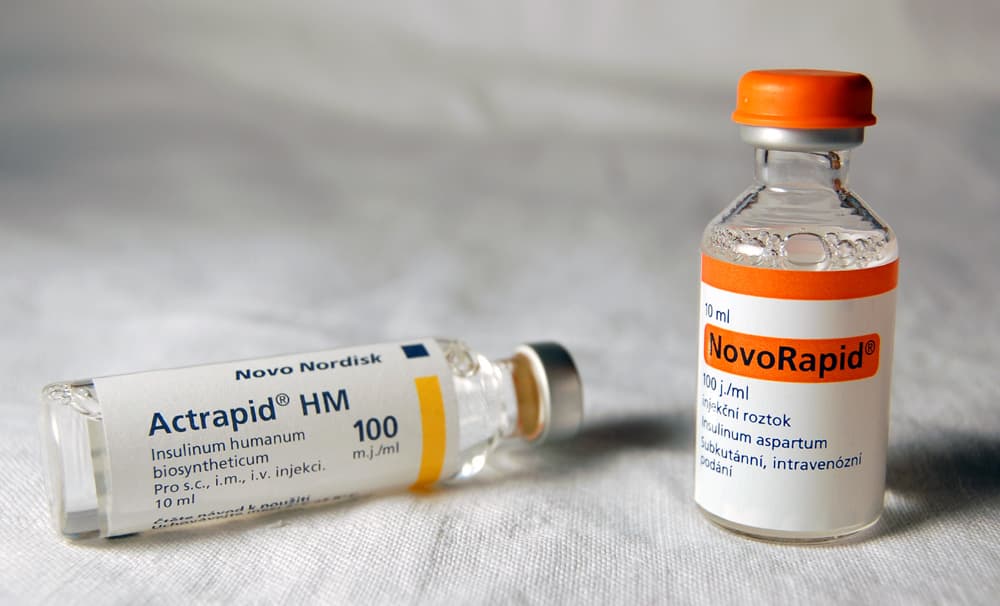
How insulin analogs evolved from 1920s pancreas extracts into engineered peptides that anchor modern diabetes therapy and biotech.
Clinical trials, FDA approvals, viral vectors, and therapeutic applications
37 articles

How insulin analogs evolved from 1920s pancreas extracts into engineered peptides that anchor modern diabetes therapy and biotech.

Leuprolide and other GnRH analogs are peptides that paradoxically shut down sex hormone production — the backbone of androgen deprivation therapy.
Octreotide is the cyclic 8-amino-acid analog of somatostatin that revolutionized treatment of acromegaly, carcinoid syndrome, and neuroendocrine tumors.
Teduglutide is the engineered GLP-2 peptide that lets short bowel syndrome patients absorb more nutrition and reduce reliance on IV feeding.

Teriparatide is the PTH 1-34 fragment that paradoxically builds bone instead of breaking it down — a landmark anabolic peptide for severe osteoporosis.
Gene therapy is moving beyond treating rare diseases to targeting aging itself, with AAV-delivered rejuvenation genes showing dramatic results in animal models and the first human experiments already underway.
Two groundbreaking gene therapies — Casgevy and Lyfgenia — are transforming treatment for sickle cell disease. Here is how they work, how they compare, and what challenges remain.
How Casgevy became the first CRISPR-based gene therapy to win FDA approval, offering a potential cure for sickle cell disease.
What if a single injection could permanently lower your cholesterol — no more daily statins? Verve Therapeutics and CRISPR Therapeutics are making this a reality with gene editing for cardiovascular disease.
Casgevy (exagamglogene autotemcel) made history as the first CRISPR-based gene therapy to receive regulatory approval — here's how it works and what it means for the future of genetic medicine.
The FDA's February 2026 'plausible mechanism' pathway could revolutionize how gene therapies reach patients — especially for ultra-rare diseases where traditional trials are impossible.
Victoria Gray volunteered to be the first person in the United States treated with CRISPR gene editing, and her story has become a beacon of hope for millions living with sickle cell disease.
How lipid nanoparticles -- the same technology behind COVID-19 mRNA vaccines -- are becoming the delivery vehicle of choice for in vivo gene editing therapies.

Katalin Kariko spent decades in obscurity pursuing mRNA therapeutics despite repeated rejection and demotion, until her breakthrough enabled COVID-19 vaccines and earned her the 2023 Nobel Prize.
10 million people worldwide live with Parkinson's. Current drugs manage symptoms but don't stop progression. Gene therapy approaches — from AADC enzyme replacement to GDNF neurotrophic support — are showing promise in clinical trials.
What if a gene therapy could be designed for just one patient? N-of-1 personalized gene therapies are making this a reality — and the FDA just created a new pathway to approve them.
Current CAR-T therapies cost $400K+, take weeks to manufacture, and require each patient's own cells. Gene-edited 'off-the-shelf' CAR-T could treat any patient instantly — if scientists can solve the persistence problem.
Beta-thalassemia patients need blood transfusions every 2-4 weeks for life. Gene therapy is changing that — with Casgevy and Zynteglo already approved, and next-gen approaches in development.
CAR-T therapy costs $373,000-$475,000 per infusion and achieves 30-60% complete remission depending on cancer type. Here's the full breakdown of costs, outcomes, and what patients should know.
Gene editing is transforming cancer treatment — from CRISPR-enhanced CAR-T cells that achieved 82% remission in leukemia to in vivo approaches that reprogram immune cells directly inside the body. Here's the complete landscape.
300 million people worldwide live with a rare disease, and 80% are genetic. Gene therapy and gene editing are offering hope where none existed — but access remains the biggest challenge.
70,000 people worldwide live with cystic fibrosis. Trikafta transformed treatment, but it's not a cure and doesn't work for everyone. Gene editing could change that — with prime editing achieving 58% correction of the F508del mutation in lung cells.
A complete, up-to-date list of every FDA-approved gene therapy and cell therapy — from Kymriah (2017) to the latest 2025 approvals. Includes pricing, indications, and approval dates.
Gene therapies cost $850,000 to $4.25 million per patient. Here's exactly what each therapy costs, who pays, how insurance works, and why some therapies are failing commercially despite curing diseases.
Two gene therapies for sickle cell disease were approved on the same day. One uses CRISPR. The other uses gene addition. Here's how Casgevy and Lyfgenia compare — and why one company is failing.
The eye is the ideal organ for gene editing — immune-privileged, accessible, and small. From Luxturna to in vivo CRISPR, here's how gene editing is restoring vision.
Duchenne muscular dystrophy affects 1 in 3,500 boys. Sarepta's Elevidys became the first gene therapy approved for DMD — but generated controversy over efficacy, safety, and its $3.2M price tag. Here's the complete picture.
The same lipid nanoparticle technology that delivered COVID vaccines to billions is now delivering CRISPR to edit genes inside the body. Here's how the pandemic accelerated gene editing by a decade.
From preclinical research to FDA approval, a new therapy takes 10-15 years and costs $1-2 billion to develop. Here's what happens at each stage — and what it means if you're considering participating.
Hemgenix costs $3.5 million — the world's most expensive drug. Roctavian was withdrawn from Europe. Here's the full story of gene therapy for hemophilia: the science, the promise, and the problems.
Gene editing and gene therapy are turning 'incurable' genetic diseases into treatable — and even curable — conditions. Here are 10 diseases closest to a permanent cure.
Zolgensma was the first gene therapy to treat a leading genetic cause of infant death — and at $2.1M, one of the most expensive drugs ever created. Here's how it works, its impact, and what's next.
Some gene therapies last a lifetime. Others fade after a few years. Here's why durability varies, what the long-term data shows, and what it means for patients.
A beginner's guide to gene therapy — how it delivers genetic fixes into cells, the different approaches, and why it's transforming medicine.
Adeno-associated virus (AAV) vectors deliver therapeutic genes in most approved gene therapies — from Zolgensma to Hemgenix. Here's how they work, their limitations, and what comes next.
GLP-1 drugs like Ozempic cost $1,000/month and require lifelong injections. What if a single gene edit could achieve the same effect permanently? Scientists are working on it.
Gene editing and gene therapy sound similar but work in fundamentally different ways. One adds a new gene copy. The other fixes the existing DNA. Here's the difference — and why it matters for patients.